
Watershed Management
We promote watershed management through collaboration with the Powder Basin Watershed Council and other partners, supporting the restoration, improvement, enhancement, and sustainable use of watersheds within the Powder Basin, and providing related educational and engagement opportunities.Stream Restoration
Stream Restoration
Host: Eileen Gyllenberg
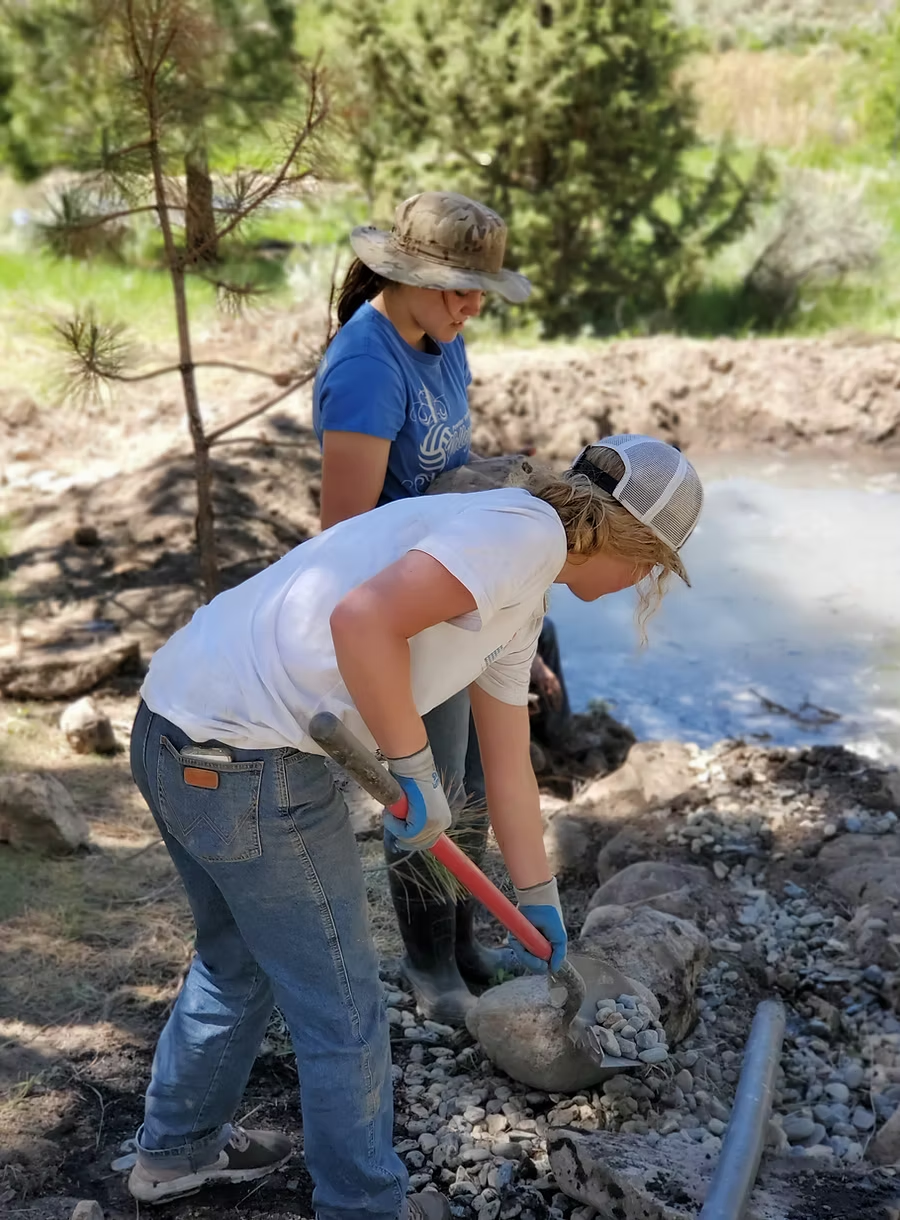
For a week, 2021 interns created streambeds to connect springs to streams and ponds and cleared overcrowded forested areas surrounding the waterways.
Excess tree material was used to build a maze gate, providing easy access to a fenced area that helps keep buffalo at bay.
Overall, the project helped make the land more resilient to insect pests and wildfires while supporting greater diversity of wildlife and vegetation.
Camp Creek Beaver Habitat Restoration
Think Like a Beaver!
Restoring Camp Creek
Think Like a Beaver!
Interns have collaborated on a project with the Powder Basin Watershed Council, multiple state agencies, and federal agencies to restore Camp Creek to its historic potential.
Camp Creek was once flush with beavers. Beavers provide numerous ecosystem benefits, including water and sediment retention, diversified aquatic habitats, stream complexity, floodplain connection, and fish and wildlife habitat.
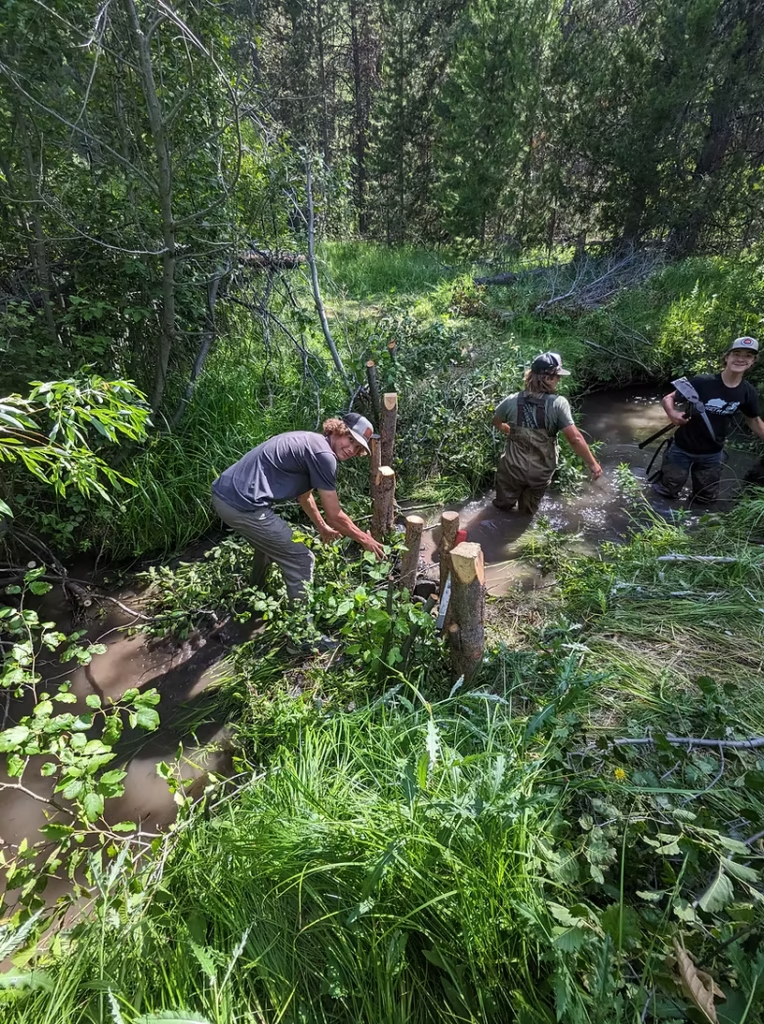
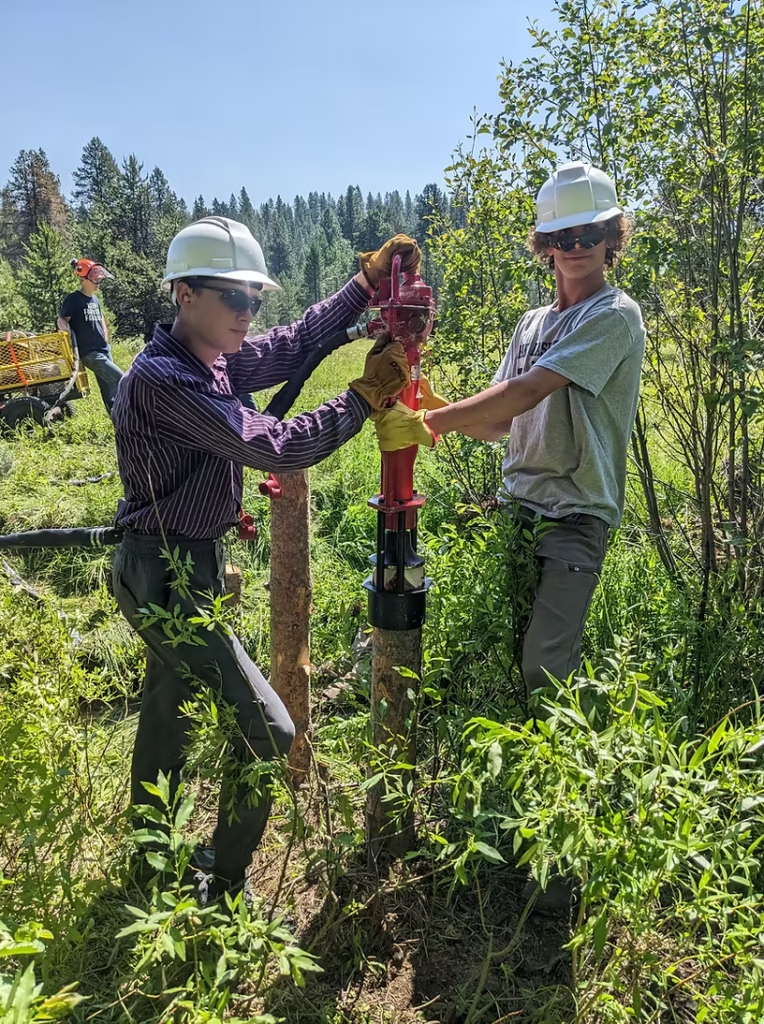
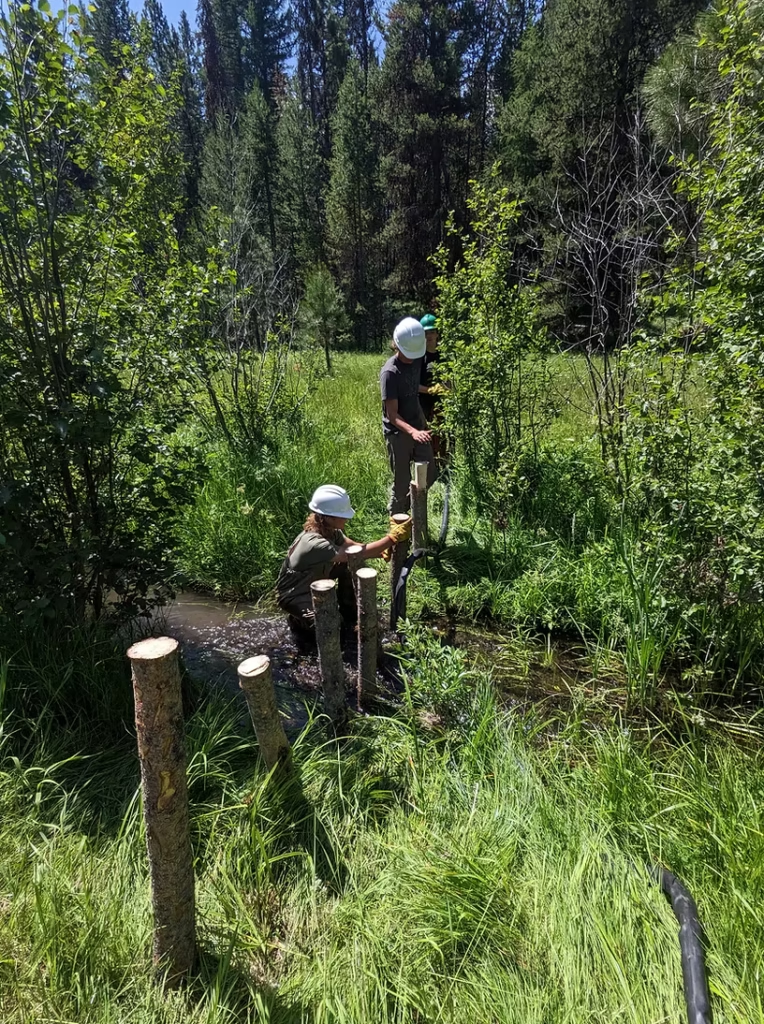
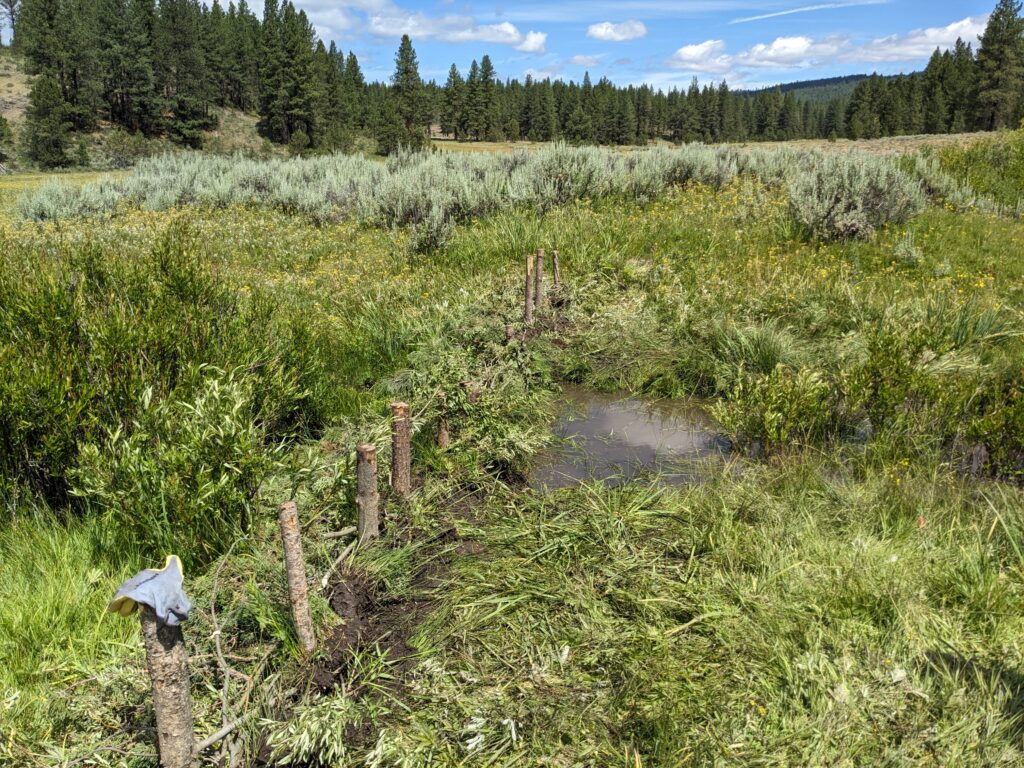
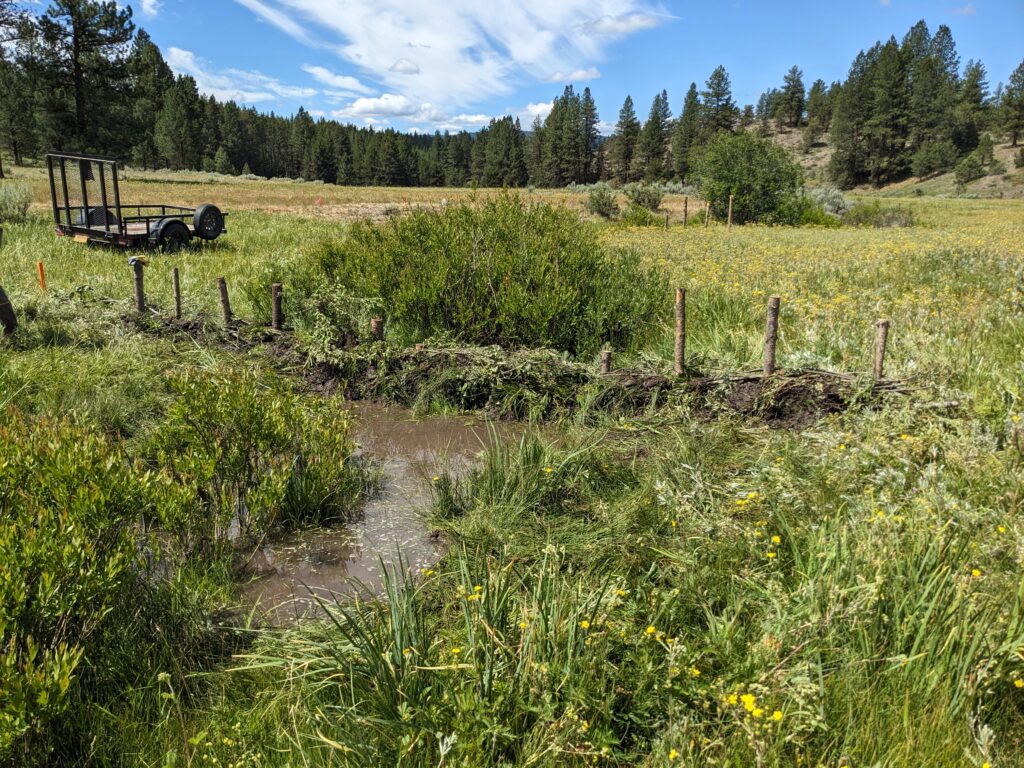
Interns learned about restoration techniques involving human-constructed dams known as Beaver Dam Analogues, which mimic many of the ecosystem services provided by beavers.
This is an ongoing project, and future interns can look forward to helping construct additional Beaver Dam Analogues.
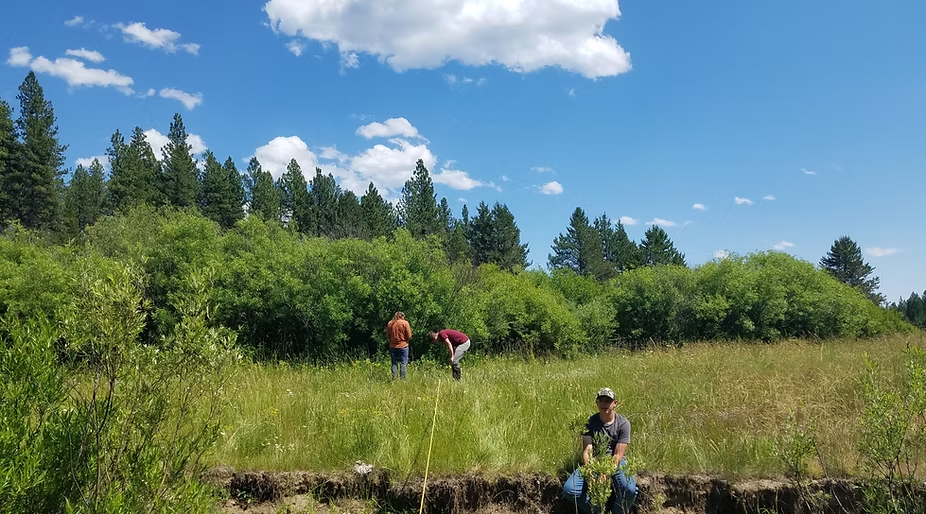
Pictured Below: 2022 Interns Collecting Water Quality Data
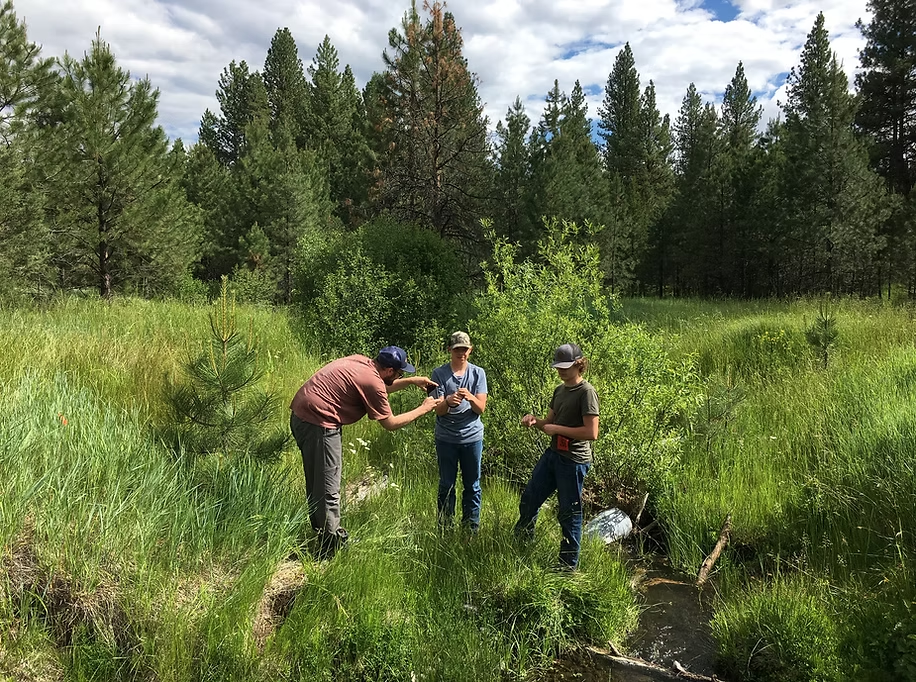
Pictured Below: 2023 Interns Begin Beaver Dam Analogue Construction
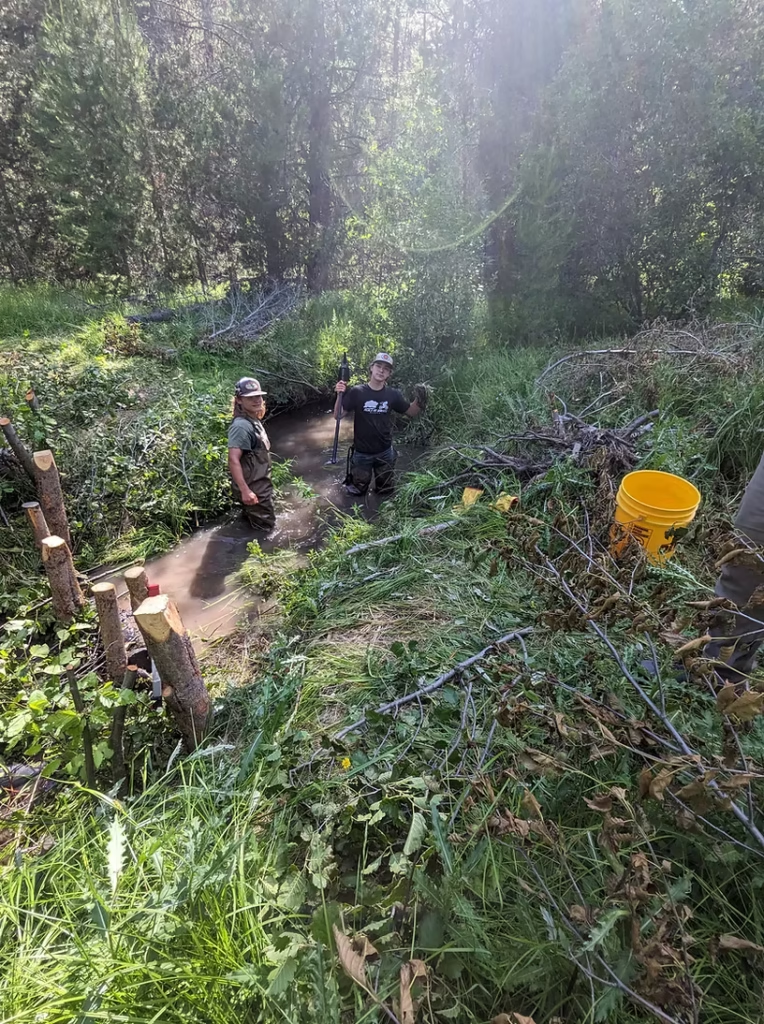
2025/2026 Beaver Project
The valley floor of Trout Creek was once an active floodplain with abundant beavers and willows. Historic land use practices resulted in channel incision and widening, causing the stream to become disconnected hydrologically from the valley floor.
Degraded hydrologic function limits groundwater recharge, the abundance of riparian vegetation, the duration of summer stream flows, and the system’s resilience to climate change.
This project uses low-tech, process-based restoration techniques to restore ecosystem function and set the stage for beaver recolonization of Trout Creek.
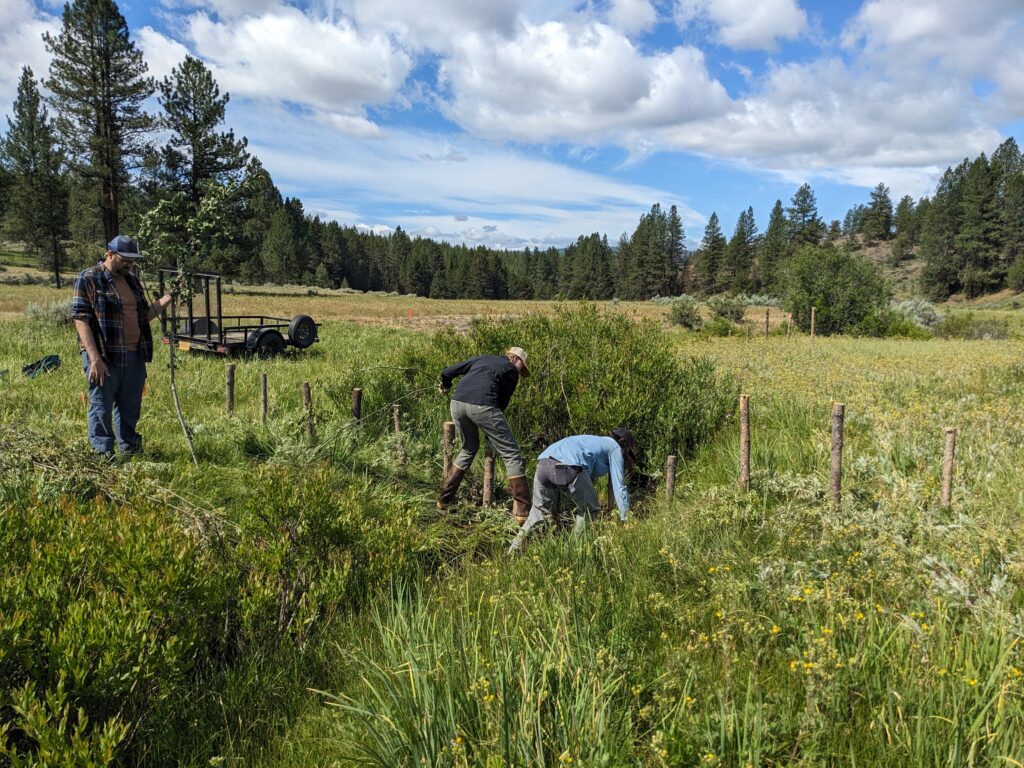
During summer 2025, BRC interns helped construct Beaver Dam Analogues and post-assisted log structures throughout the 2.5-mile project reach. These structures mimic the natural benefits of beaver dams to restore hydrological processes while improving habitat for beavers already present in the system.
Pictured Below: Progress on the Beaver Project
Watershed Management Sponsors
Our watershed work is made possible through collaboration with organizations committed to healthy watersheds, restoration, education, and community engagement.